

20
January
2026
Recent
Publications
view more
January 28, 2026
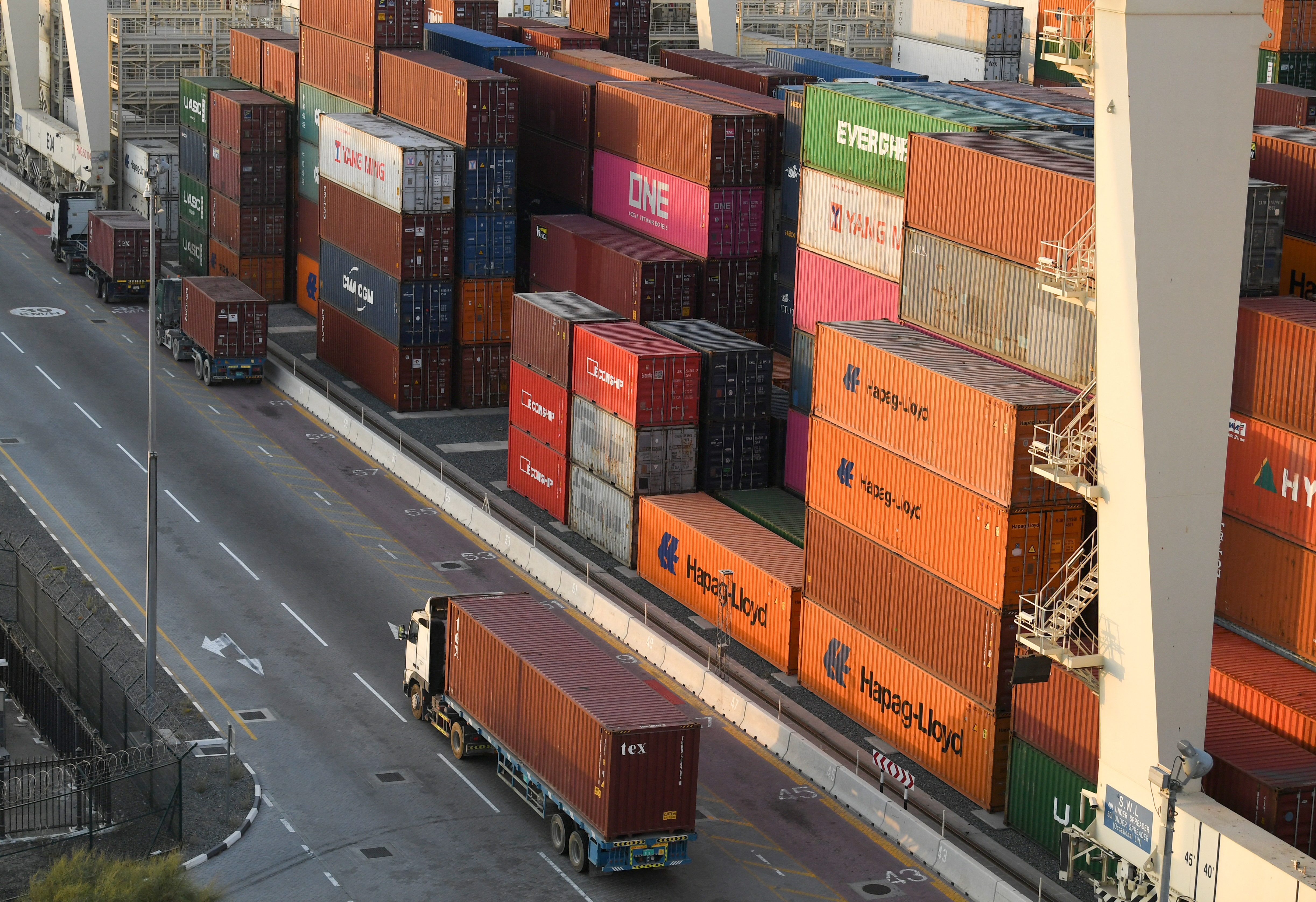
Abstract The Gulf states’ trade relations are in transition. While making progress on diversifying their economies, they continue to seek a balance between hydrocarbon exports and post-oil industries, as well as between Western and Eastern trading partners. Meanwhile, they remain exposed to oil price volatility, the retreat of globalization, and frequent global and regional supply-chain… Continue reading The GCC’s Evolving Trade Networks: Navigating Fragmentation and Diversification
learn more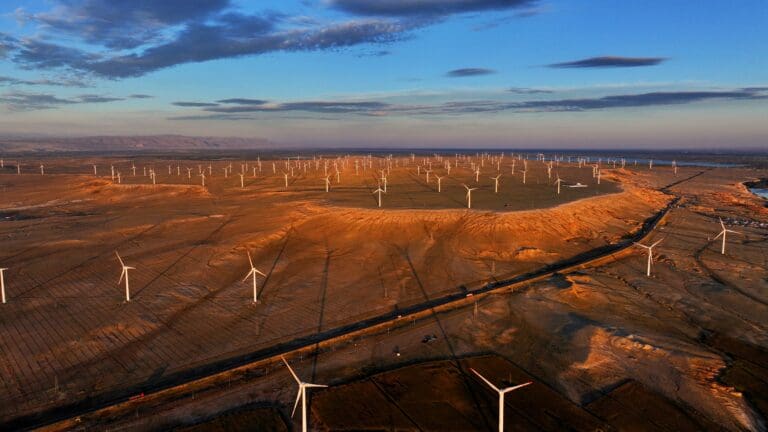
January 26, 2026
China–Gulf renewable energy cooperation is evolving from hydrocarbon dependency to strategic interdependence, reshaping energy security, industrial policy, and global decarbonization pathways.
learn more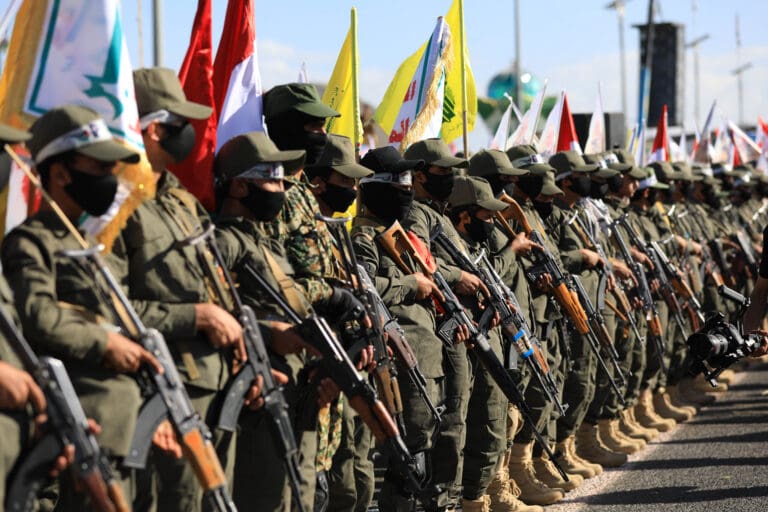
December 22, 2025
Yemen, Libya, and Sudan are all in the grip of armed conflicts that have led to the collapse of state institutions and the fragmentation of central authorities among multiple, externally supported actors. Over the past decade, international efforts have proven insufficient, on their own, to resolve these protracted conflicts and achieve comprehensive peace in these countries. This has brought to the fore local mediation mechanisms, which show potential as key ways to manage and resolve domestic conflicts at the grassroots level. In environments characterized by protracted conflict, the proliferation of armed forces, and the fragmentation of the ruling system, local mediation can complement or provide an effective alternative to international and national efforts, which often find it hard to address the root causes of conflict in a way acceptable to all sides.
learn more
January 28, 2026
Abstract The Gulf states’ trade relations are in transition. While making progress on diversifying their economies, they continue to seek a balance between hydrocarbon exports and post-oil industries, as well as between Western and Eastern trading partners. Meanwhile, they remain exposed to oil price volatility, the retreat of globalization, and frequent global and regional supply-chain… Continue reading The GCC’s Evolving Trade Networks: Navigating Fragmentation and Diversification
learn more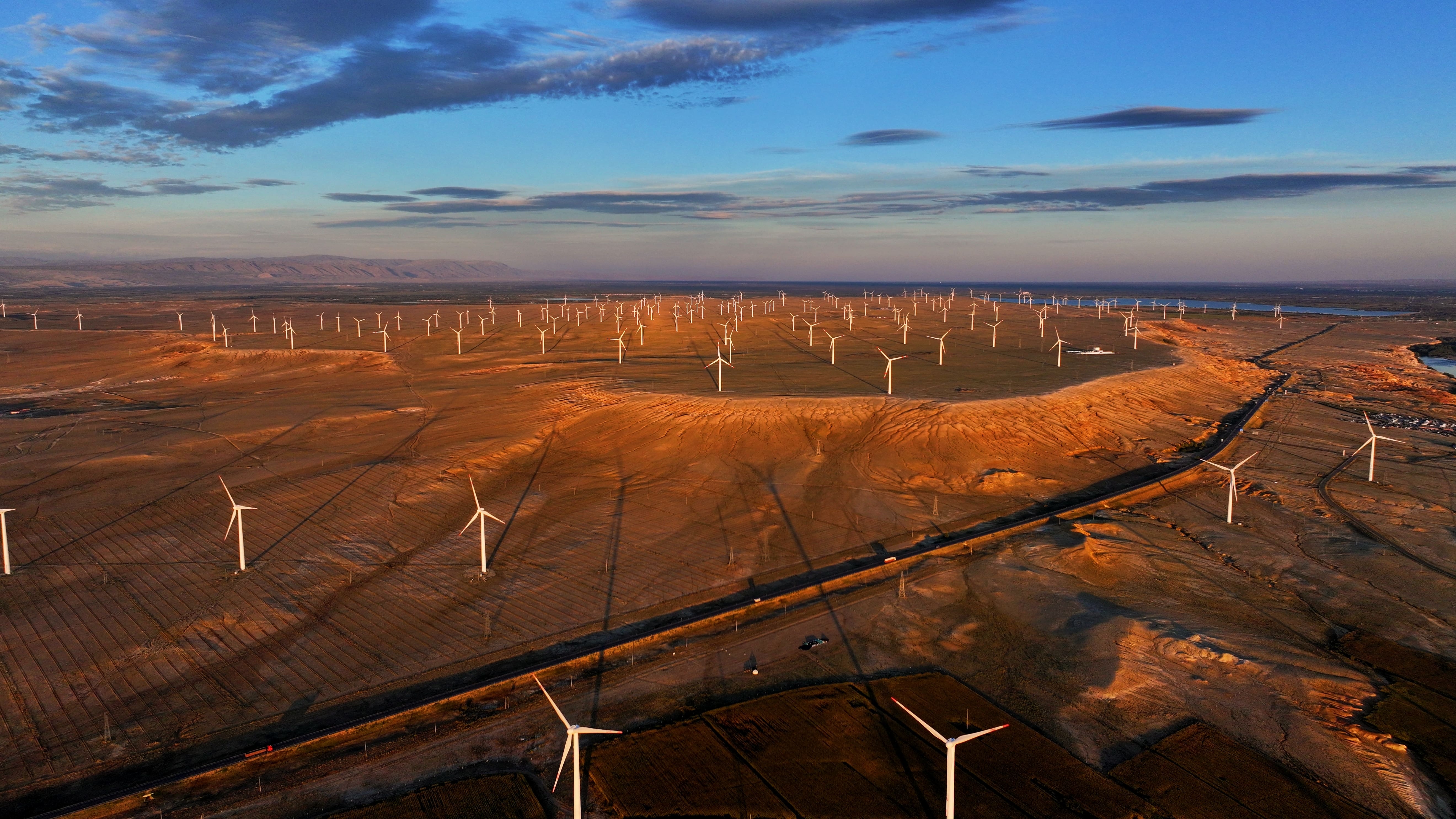
January 26, 2026
China–Gulf renewable energy cooperation is evolving from hydrocarbon dependency to strategic interdependence, reshaping energy security, industrial policy, and global decarbonization pathways.
learn more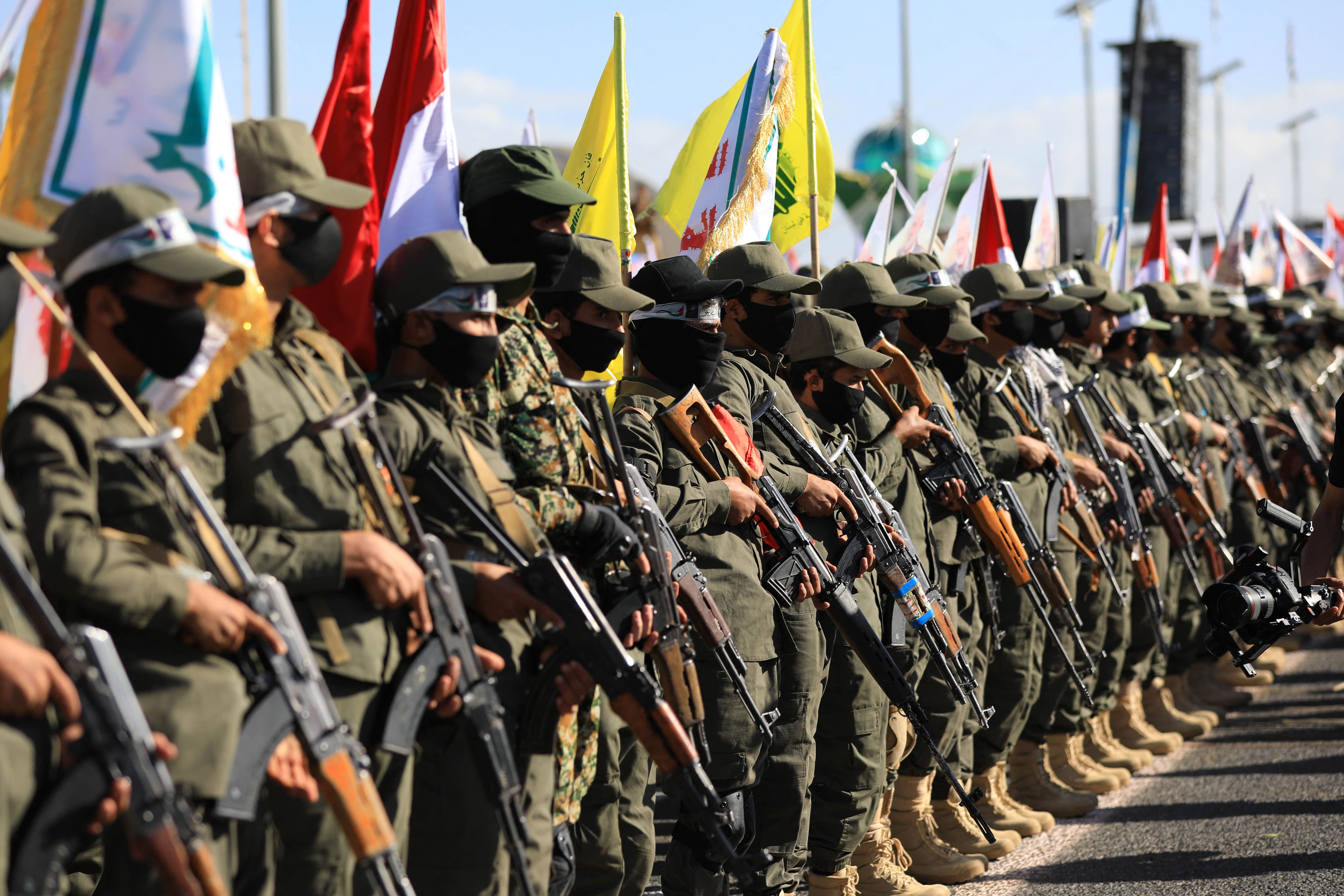
December 22, 2025
Yemen, Libya, and Sudan are all in the grip of armed conflicts that have led to the collapse of state institutions and the fragmentation of central authorities among multiple, externally supported actors. Over the past decade, international efforts have proven insufficient, on their own, to resolve these protracted conflicts and achieve comprehensive peace in these countries. This has brought to the fore local mediation mechanisms, which show potential as key ways to manage and resolve domestic conflicts at the grassroots level. In environments characterized by protracted conflict, the proliferation of armed forces, and the fragmentation of the ruling system, local mediation can complement or provide an effective alternative to international and national efforts, which often find it hard to address the root causes of conflict in a way acceptable to all sides.
learn more
December 22, 2025
Yemen, Libya, and Sudan are all in the grip of armed conflicts that have led to the collapse of state institutions and the fragmentation of central authorities among multiple, externally supported actors. Over the past decade, international efforts have proven insufficient, on their own, to resolve these protracted conflicts and achieve comprehensive peace in these countries. This has brought to the fore local mediation mechanisms, which show potential as key ways to manage and resolve domestic conflicts at the grassroots level. In environments characterized by protracted conflict, the proliferation of armed forces, and the fragmentation of the ruling system, local mediation can complement or provide an effective alternative to international and national efforts, which often find it hard to address the root causes of conflict in a way acceptable to all sides.
learn more
December 22, 2025
Yemen, Libya, and Sudan are all in the grip of armed conflicts that have led to the collapse of state institutions and the fragmentation of central authorities among multiple, externally supported actors. Over the past decade, international efforts have proven insufficient, on their own, to resolve these protracted conflicts and achieve comprehensive peace in these countries. This has brought to the fore local mediation mechanisms, which show potential as key ways to manage and resolve domestic conflicts at the grassroots level. In environments characterized by protracted conflict, the proliferation of armed forces, and the fragmentation of the ruling system, local mediation can complement or provide an effective alternative to international and national efforts, which often find it hard to address the root causes of conflict in a way acceptable to all sides.
learn moreEvents
view more
7
December
2025
The Future of US-Gulf Relations: Regional Dynamics, Challenges, and Opportunities in the Era of a New US Administration
learn more
7
December
2025
Syrian Expectations for the Future: Navigating Post-Conflict Realities
learn moreAfkar
view more
January 26, 2026
When regulators began discussing adjustments to the European Union’s Artificial Intelligence Act of 2024, mere months after its passage, it was a clear sign of the regulatory challenges in this sector. The comprehensive legislation was the first of its kind, and even seasoned regulators like the EU were struggling amid political and corporate pressure, unable to set realistic and effective measures to guide rapid advances in AI technology. For observers in the Gulf, these challenges were a warning sign of the urgent need to balance innovation with risk management. … Continue reading Why the Gulf States Share in the AI Governance Dilemma
learn more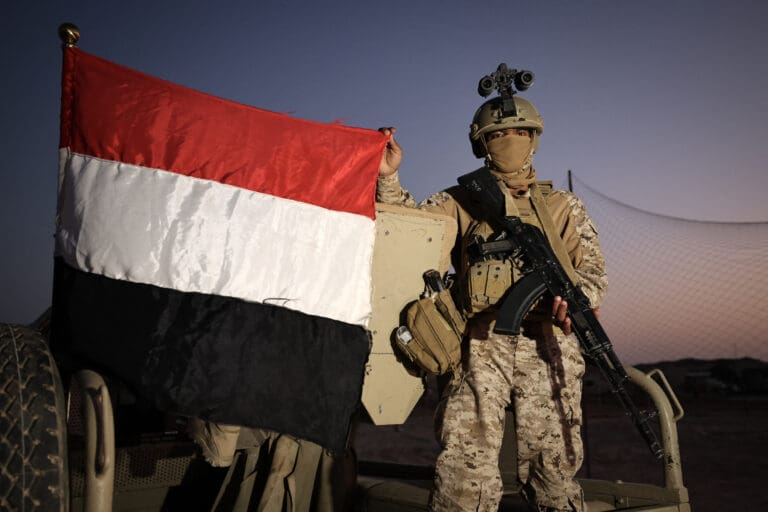
January 21, 2026
After a transformative few weeks that have seen its political map change drastically, Yemen is once again at a dangerous crossroads. The risk of escalation and renewed confrontation remains real, even as sustained efforts are being made to prevent such an outcome. Recent events have underscored just how narrow the margin for error has become,… Continue reading As Latest Yemen Crisis Eases, A Dangerous Moment Arises
learn more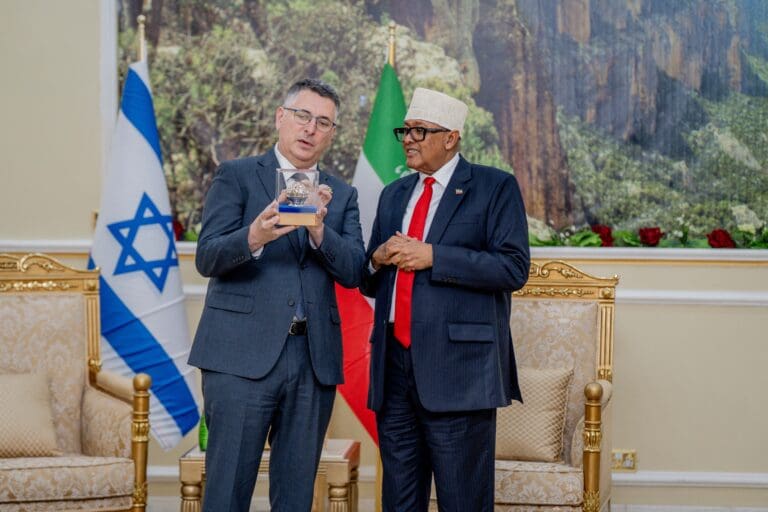
January 19, 2026
Israel’s recognition of Somaliland as an independent state, ushered in by Foreign Minister Gideon Saar’s visit on January 6, is a geopolitical watershed that sheds further light on Israel’s evolving regional strategy after October 7. Much of the early commentary has been distorted by claims that the move is part of a transactional scheme to relocate Palestinians en… Continue reading Israel’s Somaliland Gambit Reflects a Doctrine of Endless Escalation
learn more
January 26, 2026
When regulators began discussing adjustments to the European Union’s Artificial Intelligence Act of 2024, mere months after its passage, it was a clear sign of the regulatory challenges in this sector. The comprehensive legislation was the first of its kind, and even seasoned regulators like the EU were struggling amid political and corporate pressure, unable to set realistic and effective measures to guide rapid advances in AI technology. For observers in the Gulf, these challenges were a warning sign of the urgent need to balance innovation with risk management. … Continue reading Why the Gulf States Share in the AI Governance Dilemma
learn more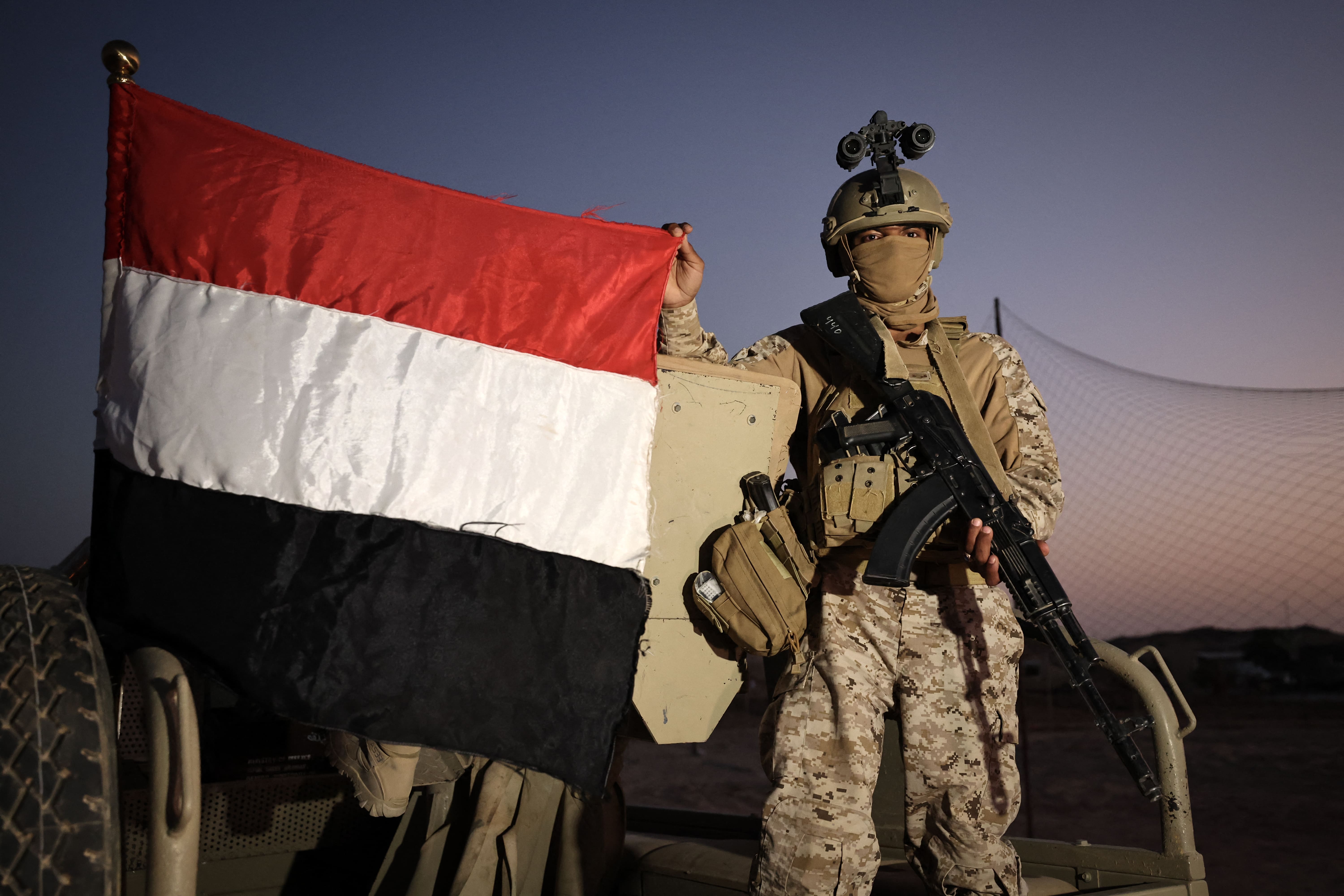
January 21, 2026
After a transformative few weeks that have seen its political map change drastically, Yemen is once again at a dangerous crossroads. The risk of escalation and renewed confrontation remains real, even as sustained efforts are being made to prevent such an outcome. Recent events have underscored just how narrow the margin for error has become,… Continue reading As Latest Yemen Crisis Eases, A Dangerous Moment Arises
learn more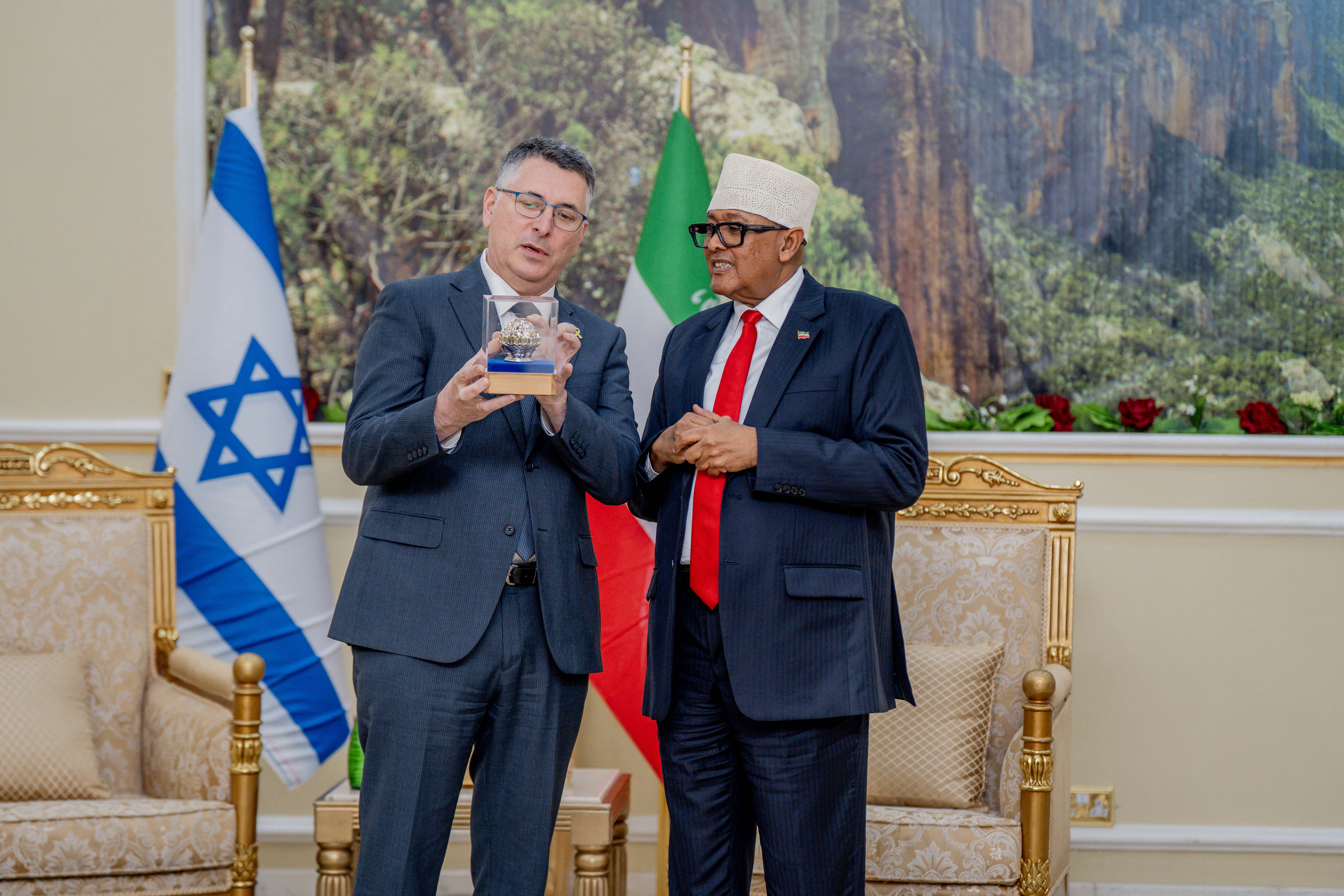
January 19, 2026
Israel’s recognition of Somaliland as an independent state, ushered in by Foreign Minister Gideon Saar’s visit on January 6, is a geopolitical watershed that sheds further light on Israel’s evolving regional strategy after October 7. Much of the early commentary has been distorted by claims that the move is part of a transactional scheme to relocate Palestinians en… Continue reading Israel’s Somaliland Gambit Reflects a Doctrine of Endless Escalation
learn more